St. Anton · Austria
Where Modern Skiing Found Its Confidence
47° 07' 41" N·10° 15' 31" E
Modern skiing was not invented in St. Anton. But it unquestionably grew up here.

Before sunrise reaches the slopes above St. Anton, the mountain is already in motion. Avalanche teams complete their final inspections high on the ridgelines, lift operators prepare cables that will soon carry thousands of skiers into the Arlberg, and guides gather outside cafés where maps, weather reports and local knowledge are exchanged with the quiet efficiency of people who have done this every winter for decades. The village itself remains almost silent, but there is an unmistakable sense of anticipation. Unlike many resorts, where the day begins gently, St. Anton feels as though it is leaning forward, eager to begin. It is a fitting atmosphere for a place that has always treated skiing not simply as recreation, but as a discipline.
Few resorts have influenced the sport as profoundly as St. Anton. Long before skiing became a global leisure industry, this small Austrian village was already shaping the techniques, teaching methods and mountain culture that would spread across the Alps and beyond. It was here, under the guidance of pioneering instructor Hannes Schneider, that skiing evolved from a practical means of travelling through snow into a refined sporting pursuit. Schneider's revolutionary teaching methods transformed ski instruction, attracting visitors from across Europe and North America who returned home carrying not only new skills but an entirely new philosophy of skiing.
That heritage remains woven into the fabric of the village. Ski schools still command enormous respect, not simply because they teach well, but because they are custodians of a tradition that has shaped generations of skiers. Guides speak about the mountains with the authority of people who have devoted their lives to understanding them. Conversations in mountain restaurants drift naturally towards snow conditions, avalanche forecasts and memorable descents. Here, skiing is not simply something people do during a holiday. It is part of the village's identity.
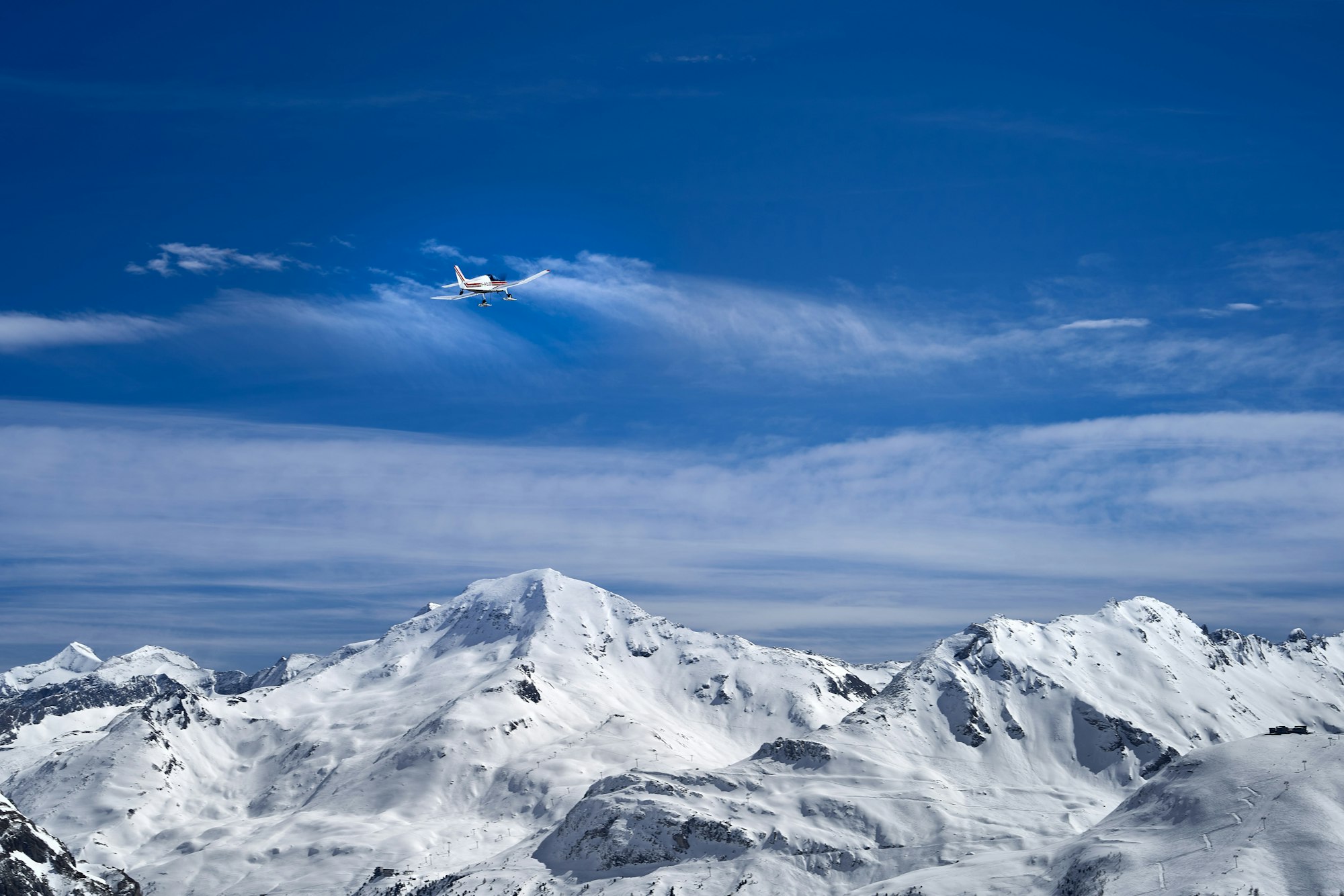
The Arlberg itself provides an extraordinary stage for that identity. Snow arrives here with remarkable consistency, carried by weather systems that have long made the region one of the Alps' most reliable destinations for deep winter conditions. The mountains rise with a rugged confidence that feels distinctly Austrian, combining broad alpine bowls with narrow gullies, wooded descents and high ridgelines that reveal fresh perspectives around almost every corner. It is terrain that rewards commitment. Not because it is relentlessly difficult, but because it constantly encourages exploration.
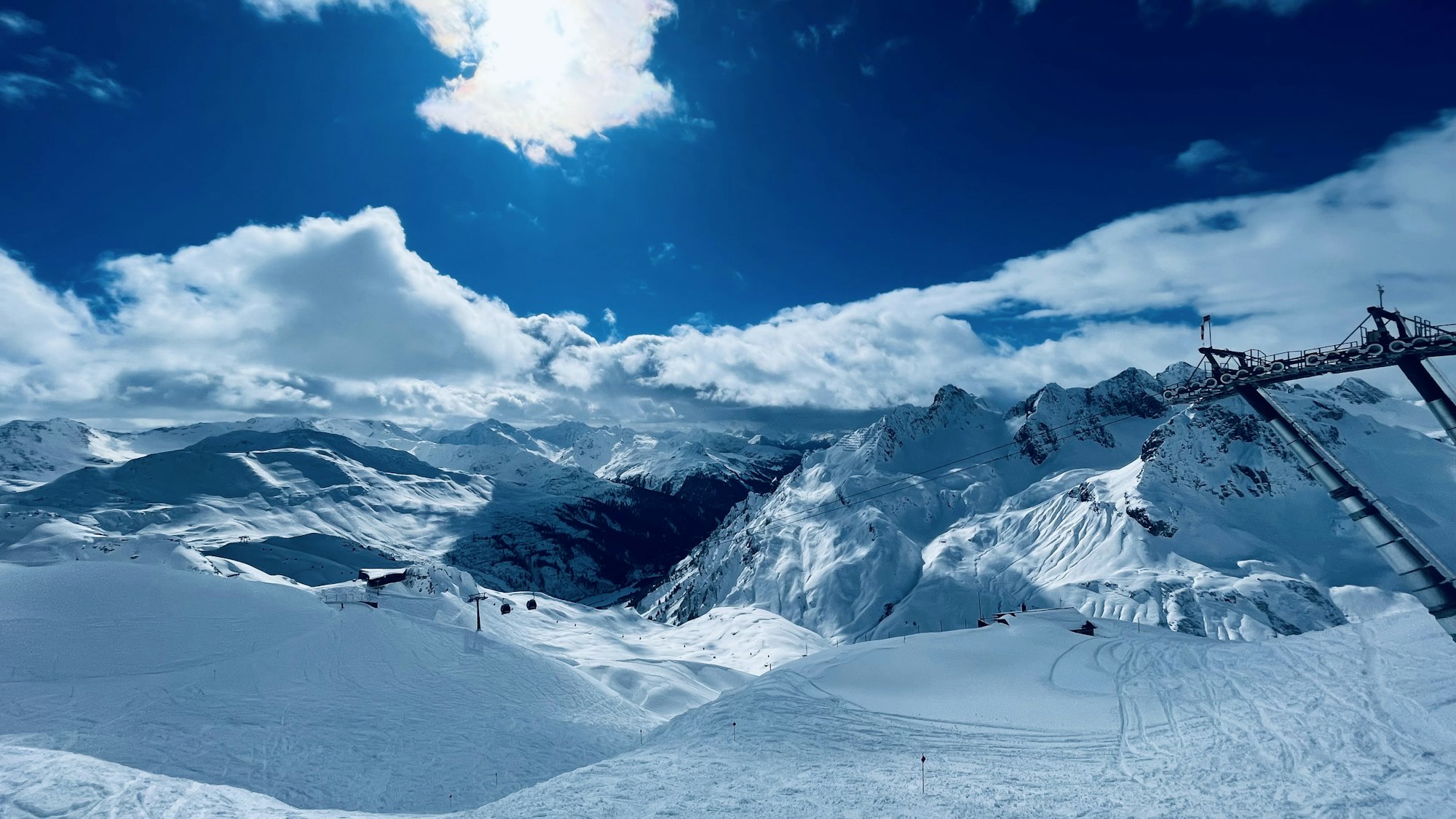
Linked today with Lech, Zürs, Stuben and Warth through the Ski Arlberg network, St. Anton sits within Austria's largest interconnected ski area. Yet despite the scale of modern lift infrastructure, the mountains retain an appealing sense of wildness. It is still possible to spend entire days following quiet itineraries that feel remarkably remote, guided only by changing snow conditions and the recommendations of locals who know exactly where yesterday's storm left its deepest deposits.
Powder skiing has become almost synonymous with St. Anton, but the resort's reputation extends far beyond fresh snow. Beautifully prepared pistes descend through forests that glow golden in late afternoon sunlight, while long cruising runs invite skiers to settle into an effortless rhythm that can continue for kilometres without interruption. Strong intermediates discover endless opportunities to improve, while experts are presented with some of Europe's most celebrated off-piste terrain. Few destinations accommodate progression so naturally. The mountain challenges without excluding, encouraging skiers to return each winter just a little more capable than before.
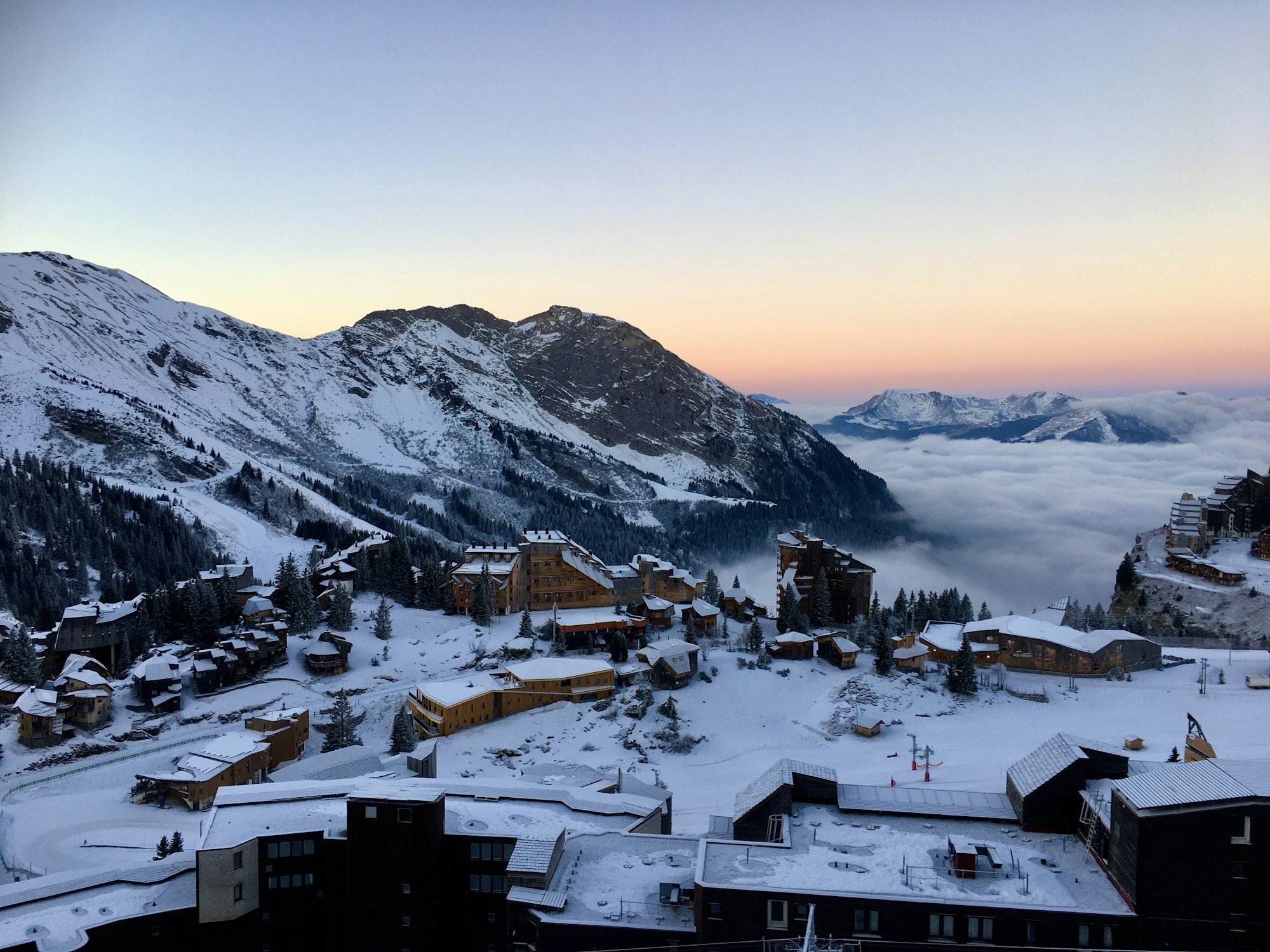
That spirit of continual improvement has shaped the village itself. Unlike resorts that have polished away every trace of their mountain heritage, St. Anton remains refreshingly authentic. Traditional Tyrolean buildings stand alongside contemporary hotels whose architecture respects rather than imitates the past. Wooden balconies overflow with flowers in summer and deep snow in winter, while church spires continue to define the skyline more convincingly than any luxury development ever could. The village feels prosperous but never artificial. It exists because people live here, not simply because visitors arrive.
Hospitality reflects that same honesty. Hotels range from elegant family-run guesthouses to internationally acclaimed five-star properties, yet the defining characteristic is warmth rather than formality. Owners are often visible, greeting returning guests personally and maintaining traditions that have endured across generations. Luxury is expressed through generous hospitality, exceptional food and genuine relationships rather than theatrical displays of exclusivity.
Food, unsurprisingly, occupies an important place within village life. Mountain huts serve hearty Austrian classics that seem perfectly suited to long days outdoors, while sophisticated restaurants reinterpret regional ingredients with increasing confidence. Local cheeses, venison, freshwater fish and alpine herbs appear throughout menus that celebrate Tyrolean identity without becoming trapped by nostalgia. Even the simplest lunch, enjoyed on a sunny terrace overlooking snow-covered peaks, carries the reassuring sense that little has been overcomplicated.
Then there is the social life for which St. Anton has become justifiably famous. Its après-ski culture is often described with a mixture of admiration and exaggeration, but reducing it to lively bars misses the deeper story. Celebration here has always been an extension of skiing itself. Friends gather after long days on the mountain to recount memorable descents, changing weather and tomorrow's ambitions. Music, laughter and dancing emerge naturally from that shared experience rather than existing independently of it. The atmosphere is infectious precisely because it feels earned. First comes the mountain. Everything else follows.
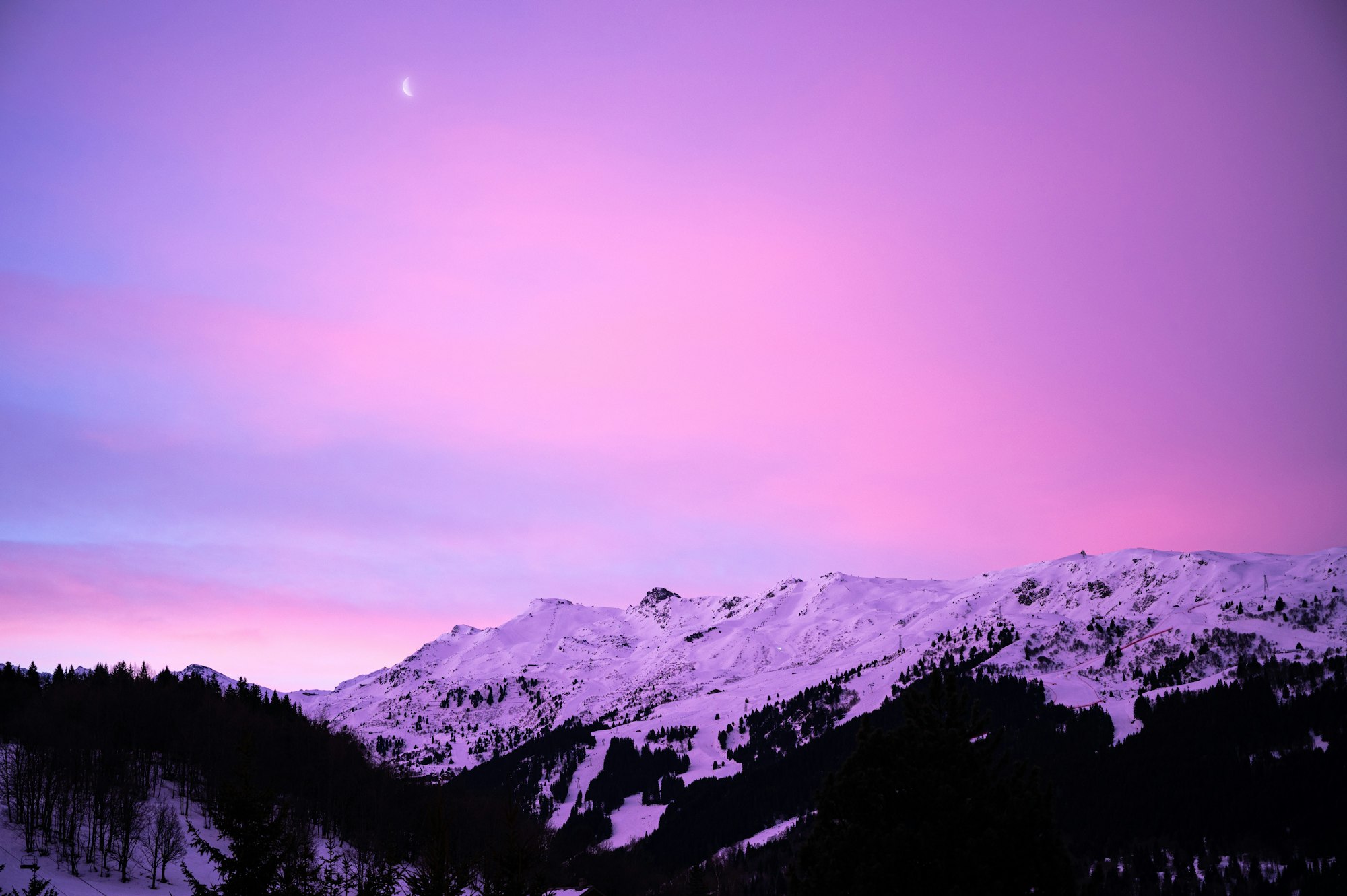
As evening settles across the valley, lights begin to appear beneath the surrounding peaks while the final skiers make their way home through snow that already bears the first hints of tomorrow's frost. Boots are left to dry, skis are stacked carefully outside hotel doors and conversations continue over glasses of Austrian wine long into the night. Beyond the village, the Arlberg grows quiet once again, gathering itself for another day. That rhythm has changed remarkably little across generations. Perhaps that is why St. Anton commands such enduring affection among serious skiers. It has embraced modern luxury without diluting the qualities that made it exceptional in the first place. The lifts are faster, the hotels more comfortable and the restaurants more ambitious than ever before, yet the mountain remains the unquestioned centre of attention.
In many luxury resorts, skiing has become one attraction among many. In St. Anton, it is still the reason everyone came. That clarity gives the village a confidence that cannot be manufactured. It knows exactly what it is, exactly what it values and exactly why people continue to return. Some places teach you to appreciate the mountains. St. Anton teaches you to love skiing.
From Inside Oxford Ski Company’s Little Black Book
Don't missA guided powder day after fresh snowfall; the long descents into the village during late afternoon; lunch in a traditional mountain hut serving Tyrolean classics; exploring the quieter sectors towards Stuben and Zürs; and experiencing the legendary après-ski — after earning it on the mountain.
Three-day strategySpend your first day discovering St. Anton's own terrain, your second exploring the wider Ski Arlberg network, and your third skiing with a local guide. The mountain reveals its true character to those willing to venture beyond the obvious.
The Oxford Ski Verdict
St. Anton is one of the few resorts where skiing remains a way of life rather than simply a holiday activity. Rich in history, blessed with extraordinary snow and surrounded by some of Austria's finest terrain, it continues to shape the sport that made it famous. For passionate skiers, there are few places that feel more authentic — or more rewarding.
Properties in St. Anton
Featured Chalets and Hotels
Experience St. Anton
Speak with our specialists to begin planning your winter in St. Anton.